About the practice
A small practice. A flat monthly bill.
Flat Fee Bookkeeping is a focused bookkeeping practice built around one idea: the work should be done by a person who has seen your books before, priced at a flat monthly retainer you can actually budget against.
Credentials
Trained on the books, certified in the software.
QuickBooks ProAdvisor credentials, an MBA in finance, and a decade of month-end closes across six platforms. The signal here isn’t a wall of badges — it’s that the same person closing your books also chose the software we’ll work inside.
QuickBooks Online ProAdvisor
Certified — QBO + QBD tier-1
QuickBooks Desktop ProAdvisor
Certified — legacy installs supported
Education
MBA, Finance
Concentration in managerial accounting and financial reporting — the part of the degree that decides whether a close is right or merely plausible.
Official certifications
Not self-reported. Issued by Intuit.
The badges below are the real certificates issued by Intuit when the ProAdvisor program and the bookkeeping training curriculum are completed — not stock icons. Each one is verifiable through Intuit’s Find-a-ProAdvisor directory.
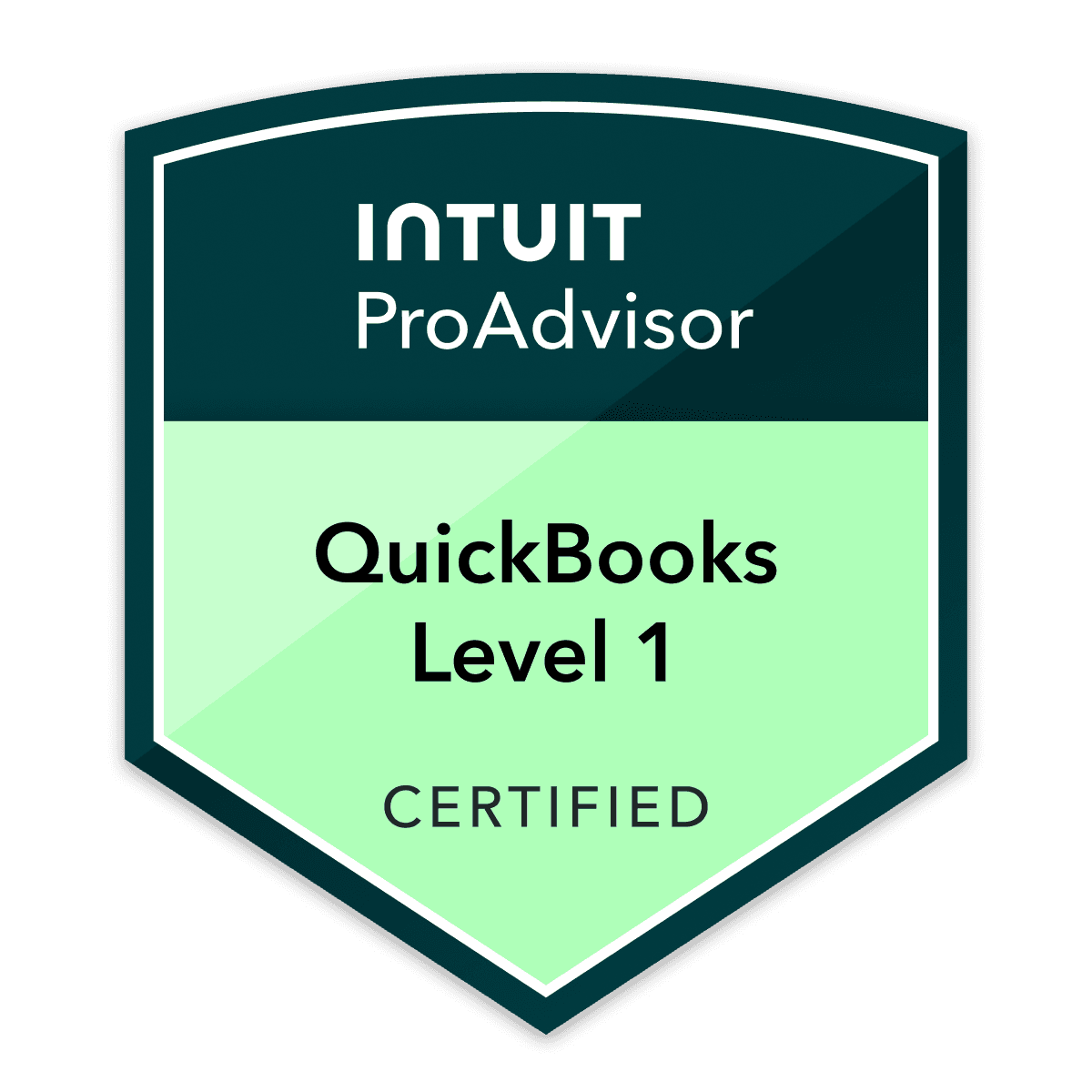
ProAdvisor — QuickBooks Level 1 Certified
Issued through Intuit’s ProAdvisor program · QBO platform certification.
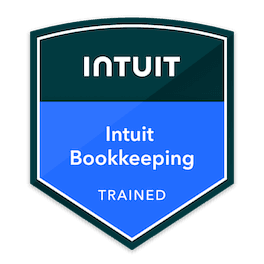
Bookkeeping — Trained by Intuit
Issued through Intuit’s bookkeeping training curriculum · foundational certification.
Multi-software fluency
Six platforms. No migration pressure.
Most bookkeepers will push you toward the one tool they know. We work in the one tool you already run — and we’re credentialed across them.
QuickBooks Online
ProAdvisor
Xero
Certified advisor
Wave
FreshBooks
Sage
50/100 + Cloud
Zoho Books
The reviewer
Behind every close is the same pair of eyes, every cycle.
~2 min read
I run Flat Fee Bookkeeping as a solo practice. I trained as a QuickBooks ProAdvisor before I opened the books — first for clients in QuickBooks, then across Xero, Wave, FreshBooks, Sage, and Zoho as small businesses kept asking whether they really had to switch. The short answer, then and now, is no. The right platform is the one your team already knows how to use, and the right bookkeeper is the one who is willing to learn it.
My MBA is in finance with a concentration in managerial accounting, which is the unglamorous part of the degree that decides whether a P&L is defensible or merely plausible. That is the lens I bring to month-end: a close has to hold up if your CPA, your bank, or a buyer opens it next quarter and asks where a number came from. I write variance notes for that reader, not for the model that produced them.
AI sits underneath the work — coding transactions, reconciling bank feeds, flagging anomalies — because that is the high-volume, low-judgment part of the job and a person doing it by hand burns out. The judgment belongs to me. Every deliverable that leaves this practice has a name attached to it — me, or whoever I hand it off to on the rare occasion I am not the reviewer on a file. That is the difference between an AI close and a closed one, and it is the whole reason the practice exists.
A client on the record
What an owner actually says.
Real businesses, quoted with permission, on what it feels like to have a flat retainer and the same reviewer every month.
“We picked the software before we knew we’d need a bookkeeper. By the time we outgrew the DIY setup, every quote we got came with a ‘but first, you should switch to…’ footnote. This was the first practice that didn’t — and the close still goes out on the same Tuesday every month, with a variance note I can actually read.”
Mara Ellison
Founder & operator — small e-commerce brand running on QuickBooks Online
QBO · Plus · 14 months
Start here
See your books close themselves.
Four short questions, a recommended tier, and a flat number in your inbox within one business day.
flat-fee-bookkeeping@polsia.app · replied to within one business day